1. The Dawn of Autonomous "Agentic AI"
Within just 24 hours of OpenAI releasing the official Astra demonstration video on September 3, 2026, the broadcast shattered records—surpassing 100 million views and dominating real-time trending charts across global developer communities.
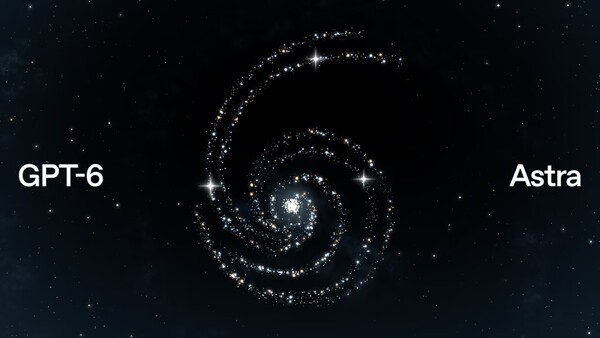
This is GPT-6 Astra.
— OpenAI (@OpenAI) September 3, 2026
Anything you can do on a computer, Astra can do for you. Fast. pic.twitter.com/gDd0IsewJw
Unlike previous generations that merely generated text suggestions or code snippets, GPT-6 Astra possesses genuine computer-use capability. It views the user's desktop screen, plans multi-step operational chains, issues CLI commands, manipulates 3D viewports, coordinates subagents, and rectifies errors autonomously.
2. Viral Demonstrations: 3D Scene Generation & Multi-Agent Swarms
Across X (formerly Twitter) and Reddit, creators and engineers have begun sharing shocking real-world benchmark comparisons:
In EdgeX's showcase, Astra interpreted plain English prompts to orchestrate Blender materials, lighting, geometric modifiers, and camera angles into high-fidelity 3D environments in seconds.
On Reddit, user Few_Badger498 noted: "This model is genuinely crazy. It's substantially faster, smarter, and executes 3D & coding control loops with seamless precision."
3. Harsh Realities: Capacity Crises, Costs & Hallucinations
Despite the euphoria, significant practical hurdles have immediately surfaced:
| Evaluation Dimension | Observed Breakthroughs | Current Bottlenecks & Concerns |
|---|---|---|
| Desktop Control | Real-time GUI vision and multi-software automation (Blender, VS Code, Terminals). | Unexpected edge cases can cause multi-step reasoning hallucination loops. |
| Server Stability | Rapid response streaming when capacity is clear. | Immediate traffic overload resulting in strict rate-limiting even on top-tier paid tiers. |
| Economics | High return-on-investment for complex software engineering tasks. | Substantial subscription fees and steep enterprise API token pricing. |
| Security & Safety | Granular sandbox policies and elevated tool execution checks. | Cybersecurity risks surrounding OS-level access and potential privilege escalation. |
4. The Dystopian Debate: WALL-E, Her, and Idiocracy
Beyond technical critiques, Astra has ignited a profound philosophical and cultural debate. Commentators have expressed unease that excessive automation threatens to relegate humans to passive bystanders in their own professions.
"Thanks. Even more lazy people now. It's going to be like the people from WALL-E soon."
User Behnam remarked that Astra's empathetic conversational nuances evoke the sci-fi film 'Her', highlighting an uncanny emotional attachment between human operators and synthetic agents.
Another widely shared commentary warned:
"If we leave humanity with nothing to build, nothing to struggle for, and nothing to solve, the 2006 satirical film 'Idiocracy' stops being a parody and becomes an instruction manual for our future."
Idiocracy depicts a future where extreme technological convenience leads to the gradual cognitive atrophy of society over 500 years—a cautionary metaphor now cited in response to fully automated computer-use agents.
5. Conclusion & The Road Ahead
OpenAI's GPT-6 Astra undeniably marks a watershed milestone, shifting the paradigm from static chatbots to proactive, agentic operating partners. Yet, the technology arrives bundled with pivotal challenges: cost accessibility, infrastructure resilience, cybersecurity containment, and human agency.
As the industry transitions into this agentic era, balancing automated productivity with human mastery and rigorous local safety sandboxing will define the true impact of Astra.